Credit Cards Explained
Secured and unsecured credit cards serve the same basic purpose: they allow consumers to borrow money for purchases and repay the balance later. The major difference lies in how lenders manage risk.
A secured credit card requires a refundable security deposit. This deposit often becomes the card's credit limit. For example, a $300 deposit typically provides a $300 credit line. If the cardholder fails to pay, the issuer can use the deposit to recover losses.
An unsecured credit card does not require a deposit. Approval depends primarily on factors such as credit score, income, debt-to-income ratio, and payment history. Most rewards cards, travel cards, and cashback cards fall into this category.
According to data from major credit bureaus, payment history accounts for roughly 35% of a FICO score calculation, making either type of card a potentially powerful credit-building tool when used responsibly.
The right choice depends less on the card itself and more on your current financial position and credit profile.
Where People Get Stuck
Many consumers assume secured credit cards are inferior products designed only for people with poor credit. In reality, they are often among the fastest ways to establish a positive payment history.
Others apply for unsecured cards repeatedly after being denied. Multiple hard inquiries can temporarily lower credit scores and create additional obstacles to approval.
Some users focus entirely on rewards programs while ignoring interest rates, fees, and eligibility requirements. A 2% cashback program has little value if the cardholder carries a balance and pays significant interest charges.
Another common mistake is choosing a card solely because it offers a large credit limit. Long-term credit health depends more on consistent payments and low utilization than on spending power.
Without understanding the differences between secured and unsecured credit cards, consumers may select products that slow their credit-building efforts or increase borrowing costs unnecessarily.
How to Choose Wisely
Understand your credit profile
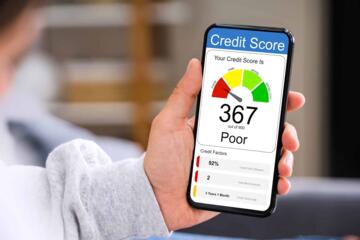
The first step is knowing where your credit stands. Individuals with scores below 600 or limited credit history often face challenges qualifying for competitive unsecured cards.
A secured card can provide easier approval because the deposit reduces lender risk. Consumers with scores above 670 generally have access to a wider range of unsecured products.
Checking your credit reports before applying helps identify errors, missed payments, or outstanding debts that could affect approval decisions.
Compare deposit requirements
Secured cards typically require deposits ranging from $200 to $2,500. The amount depends on the issuer and desired credit limit.
Some issuers allow higher deposits to obtain larger limits, which can help maintain lower credit utilization ratios.
If tying up several hundred dollars would create financial strain, an entry-level unsecured card may be more practical if approval is likely.
Look for graduation programs
Many of the best secured cards offer automatic review programs. After six to twelve months of responsible use, cardholders may qualify for an upgrade to an unsecured card.
When graduation occurs, the issuer typically returns the security deposit and may increase the credit limit.
This path allows consumers to build credit while progressing toward more favorable products.
Evaluate annual fees carefully
Some secured cards charge annual fees despite requiring a deposit. Others offer no annual fee at all.
Similarly, unsecured cards can range from fee-free products to premium cards charging hundreds of dollars annually.
Compare total ownership costs rather than focusing on one feature. A card with modest benefits but zero fees may outperform an expensive rewards card for many users.
Check credit bureau reporting
Not all credit-building products report activity equally. A quality secured card should report payments to all three major credit bureaus: Experian, Equifax, and TransUnion.
Consistent reporting ensures responsible usage contributes to credit score growth.
If a card does not report broadly, its value as a credit-building tool becomes significantly reduced.
Consider rewards realistically
Unsecured credit cards often provide cashback, travel points, airline miles, hotel rewards, purchase protections, and extended warranties.
Secured cards traditionally offered fewer benefits, although many modern options now include cashback programs.
Consumers should calculate expected rewards based on actual spending patterns rather than marketing claims.
Pay attention to interest rates
Annual percentage rates on both secured and unsecured cards can exceed 20%. Carrying balances month after month can quickly erase any rewards earned.
The most effective strategy is paying the statement balance in full every billing cycle.
Credit building comes from responsible repayment behavior, not from paying interest.
Focus on future opportunities
A credit card should be viewed as a stepping stone. Strong credit can lead to better loan rates, apartment approvals, insurance pricing, and financing options.
A secured card may be the fastest route to those opportunities if credit challenges currently limit access to unsecured products.
The best choice is the card that helps you reach stronger credit health with the lowest overall cost.
Real-Life Examples
Case 1: A recent college graduate with no credit history wanted to qualify for an auto loan within a year. She opened a secured credit card with a $500 deposit, used less than 20% of the limit monthly, and paid every statement in full. After nine months, her issuer upgraded the account to unsecured status and returned the deposit. Her credit score increased by more than 90 points, allowing access to lower loan rates.
Case 2: A professional with a credit score above 720 applied for a cashback unsecured card offering 2% rewards on everyday purchases. By charging approximately $1,500 monthly and paying the balance in full, he earned over $350 in annual rewards while maintaining excellent credit utilization and payment history.
Quick Comparison
| Factor | Secured | Basic | Best For |
|---|---|---|---|
| Deposit | Yes | No | Choice |
| Approval | Easy | Strict | New |
| Rewards | Some | Many | Spend |
| Limit | Lower | Higher | Growth |
| Credit | Build | Build | Both |
Common Mistakes
One major error is treating a secured card like a prepaid card. Even though a deposit is involved, missed payments can still damage credit scores.
Another mistake is maxing out the credit limit. Credit utilization above 30% may negatively affect credit scores, even when payments are made on time.
Some consumers close secured accounts immediately after graduating to unsecured status. Doing so can shorten average account age and potentially impact credit history.
Many applicants also ignore terms related to deposit refunds. Understanding when and how funds are returned helps avoid surprises.
Finally, carrying balances to “build credit” remains one of the most persistent myths. Paying in full is generally the better strategy.
FAQ
Is a secured credit card better for building credit?
Both secured and unsecured cards can build credit effectively if they report to major credit bureaus and are managed responsibly.
Will I get my deposit back on a secured card?
In most cases, yes. Deposits are typically refunded when the account is upgraded, closed in good standing, or converted to an unsecured product.
Can I qualify for an unsecured card with bad credit?
Some issuers offer unsecured cards for fair or poor credit, but approval standards and fees often vary significantly.
How long should I keep a secured card?
Many consumers keep secured cards for six to twelve months before becoming eligible for graduation or better products.
Do secured cards have lower credit limits?
Often they do because limits are linked to deposits. However, some issuers allow larger deposits to obtain higher limits.
Author's Insight
After reviewing dozens of credit-building strategies over the years, I have found that consumers frequently underestimate the value of secured cards. Many people chase rewards and premium features before establishing a solid credit foundation. In practice, a well-managed secured card often produces faster long-term financial benefits than repeatedly applying for unsecured cards and facing denials. The strongest results come from keeping utilization low, paying on time every month, and viewing credit as a long-term asset rather than a spending tool.
Summary
Secured and unsecured credit cards both serve valuable purposes, but they fit different financial situations. Secured cards offer easier approval and effective credit-building opportunities, while unsecured cards typically provide higher limits and better rewards. The right choice depends on your credit profile, available cash, and financial goals. Focus on responsible usage, timely payments, and low utilization to maximize the benefits of either option.